
Bulldog Anxiety Around Fireworks and Storms

If your bulldog turns into a trembling, panting mess every Fourth of July or during a summer thunderstorm, you're far from alone. Loud, unpredictable noise is one of the most common triggers for anxiety in dogs, and bulldogs are no exception. Understanding why this fear happens, and how to help your dog through it, makes a real difference.
Quick takeaway: Set up a safe, quiet space before the noise starts, stay calm yourself, and don't force your dog out of hiding. For severe anxiety, talk to your vet about additional support.
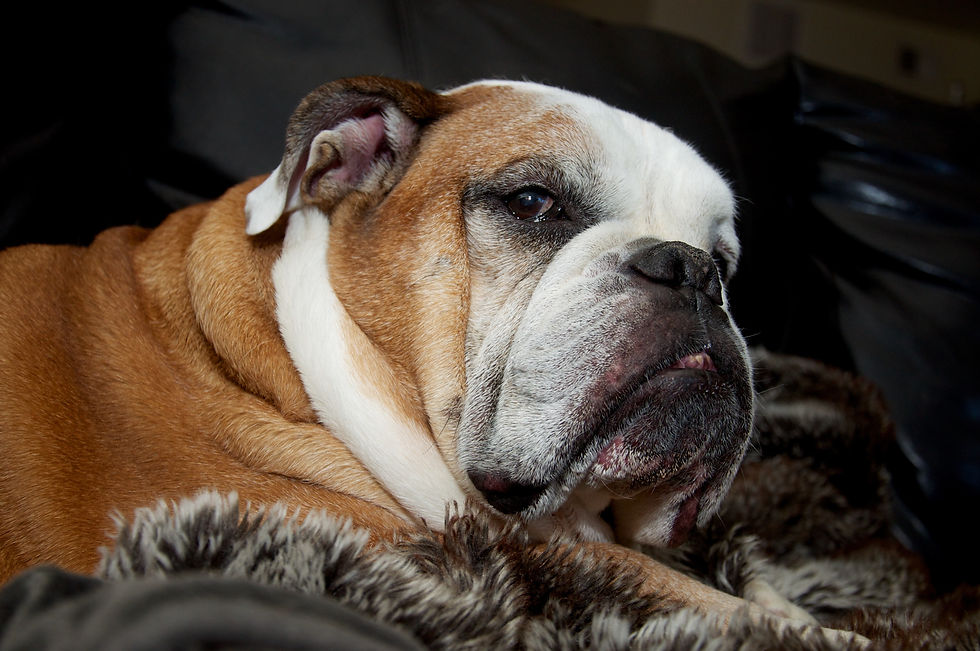
Why Loud Noises Trigger Anxiety
Dogs' hearing is considerably more sensitive than ours, which means sounds that register as loud to us can be genuinely overwhelming to a dog. Beyond the volume itself, the unpredictability of fireworks and thunder — sudden, irregular, impossible to anticipate — tends to heighten anxiety further, since dogs can't prepare for or make sense of what's coming next the way they might with a more predictable, recognizable sound.
Recognizing Anxiety in Your Bulldog
Signs of noise-related anxiety can range from mild to severe:
Pacing or restlessness
Excessive panting unrelated to heat or exertion
Hiding or seeking out small, enclosed spaces
Trembling or shaking
Whining or barking
Trying to escape the yard or home, sometimes with enough force to cause injury
Clinginess or seeking constant physical contact with their owner
Some bulldogs show only mild signs, while others experience a more intense, full-blown panic response. Understanding where your individual dog falls on this spectrum helps you choose the right level of intervention.
Creating a Safe Space Before It's Needed
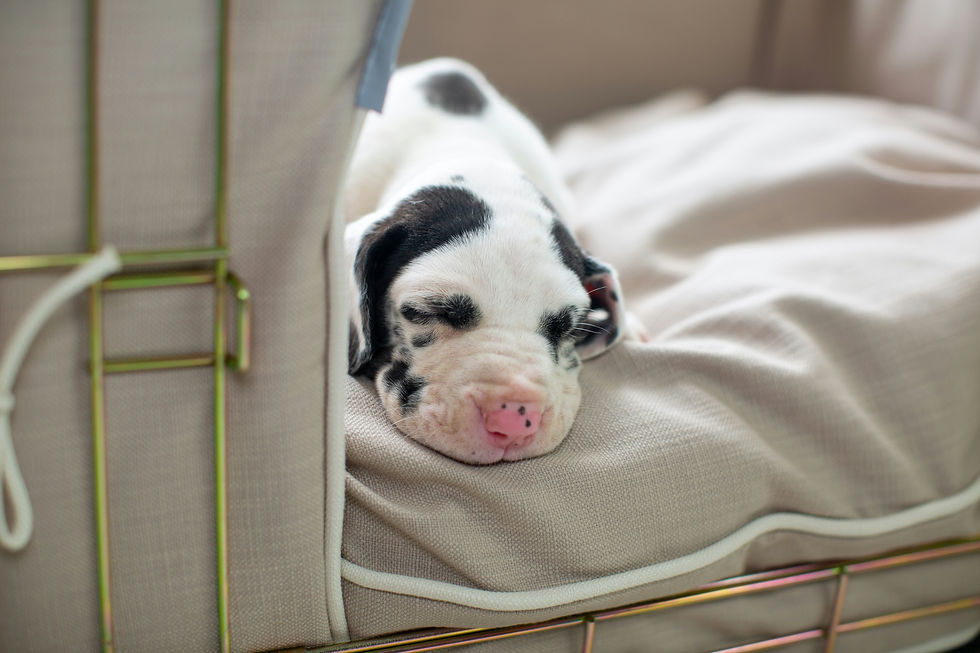
Rather than waiting until a storm or fireworks event is already underway, it helps to establish a designated safe space in advance — a quiet, enclosed area like a covered crate or a small room away from windows, ideally somewhere your bulldog already associates with calm, positive experiences. Introducing this space on a calm day, with treats and relaxed time spent there, helps your dog see it as a genuine retreat rather than somewhere unfamiliar they're forced into during an already stressful moment.
Practical Steps During an Event
Close windows and curtains. This reduces both the sound intensity and the visual stimulation of flashing light from fireworks or lightning.
Play white noise or calming music. A fan, white noise machine, or calm music at a moderate volume can help mask some of the disruptive noise from outside.
Stay calm yourself. Dogs are sensitive to their owner's energy, and an anxious, overly reassuring response from you can sometimes reinforce your dog's own anxiety. A calm, steady presence, without excessive fussing, tends to help more.
Avoid forcing your dog out of their chosen hiding spot. If your bulldog retreats somewhere that feels safe to them, let them stay there rather than trying to coax them out, unless the spot itself is unsafe.
Consider a compression garment. Some dogs respond well to snug-fitting anxiety wraps, which apply gentle, consistent pressure similar to swaddling, and can have a calming effect for some individual dogs.
Longer-Term Desensitization
For bulldogs with more significant noise anxiety, gradual desensitization, done well before the next anticipated noisy event, can help build tolerance over time. This typically involves playing recordings of the triggering sound (fireworks or thunder) at a very low volume, paired with treats and calm activities, gradually increasing volume over many sessions as your dog shows continued comfort. This process takes real patience and consistency, and often benefits from guidance from a professional trainer experienced with noise phobias.
When Anxiety Is Severe
For dogs experiencing intense, distressing anxiety despite management strategies, it's worth having a conversation with your vet about additional options. In some cases, vets may recommend anti-anxiety medication for particularly difficult events like fireworks holidays, used specifically and temporarily rather than as an ongoing daily medication. This isn't a failure of training or management — some dogs genuinely need additional support to get through these especially triggering events safely and comfortably.
Safety Precautions Matter Too
Beyond comfort, noise anxiety carries real safety risks — panicked dogs sometimes attempt to escape yards or homes, occasionally resulting in injury or getting lost. Make sure your bulldog has proper identification (collar tags and a microchip, ideally with up-to-date contact information) and double-check that fencing and doors are secure ahead of any anticipated noisy event.
Compassion Over Correction
Noise anxiety isn't something a dog can simply be corrected or trained out of through discipline — it's a genuine fear response that deserves patience and thoughtful management. With the right preparation and support, most bulldogs can get through fireworks and storms with considerably less distress, even if complete comfort with loud noises isn't always fully achievable.
Working through anxiety or behavior concerns with your bulldog? Reach out any time — we're happy to help point you toward the right resources.


